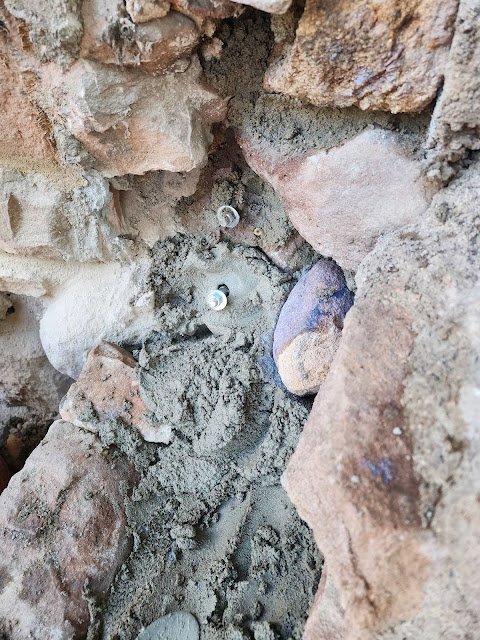

The integrity of your brickwork is one of the most crucial aspects to take into account while preserving the outside of a house or structure. Although chimneys, fireplaces, brick walls, and stone facades are designed to last for decades or even centuries, weather, moisture, and structural movement can eventually cause degradation that requires professional maintenance. Stone repair, brick repair, and tuck-pointing are some of the most popular and successful restoration services. Knowing how these procedures operate might help you avoid costly structural problems down the road in addition to helping you identify when your property requires maintenance.
What Is Tuck-Pointing?
The practice of fixing crumbling or damaged mortar between bricks with new mortar is known as tuck-pointing. When mortar, the bonding material that holds bricks and stones together, starts to deteriorate, the structure as a whole may become weaker. Tuck-pointing is a sophisticated restoration method that enhances the beauty and structural stability of masonry, and it goes well beyond just mending cracks.
A professional tuck-pointing job typically involves:
- Grinding or scraping out damaged mortar to a proper depth.
- Applying new mortar that matches the original in strength and composition.
- Finishing the joints cleanly, ensuring the new mortar adheres tightly and blends seamlessly.
- Detailing or coloring the mortar, if needed, to achieve a uniform look.
Tuck-pointing improves a building’s appearance by making it appear tidy, sturdy, and well-maintained in addition to extending the life of brickwork.
Why Tuck-Pointing Matters
Moisture can enter the walls through cracked or failing mortar. This may result in:
- Internal water damage
- Mold growth
- Efflorescence (white residue on brick surfaces)
- Freeze-thaw deterioration in cold climates
- Structural instability if left untreated
Homeowners can prevent significantly greater repairs later on by fixing mortar joints early.
Stone Repair: Preserving Natural Beauty and Strength
For structures with natural stone elements like pillars, retaining walls, patios, and chimneys, stone repair is another crucial service. Even though stone is one of the most durable building materials, damage can nonetheless occur to it. Stones may chip, move, break, or come loose over time.
Professional stone repair often includes:
- Re-setting displaced stones to restore alignment and support.
- Repairing cracks using high-strength fillers or epoxy resins.
- Replacing severely damaged stones with matching materials.
- Cleaning and sealing the surface to enhance durability and appearance.
Understanding how various stone types limestone, granite, sandstone, and fieldstone react to weather and aging is necessary for stone repair. Maintaining the structure’s original look requires matching both the color and texture.
How Stone Damage Happens
Several factors cause stone deterioration, including:
- Freeze-thaw cycles that create cracks
- Water infiltration behind stones
- Ground movement affecting wall alignment
- Salt exposure (common in driveways and coastal areas)
- Impact damage from falling branches or vehicles
Addressing stone issues early prevents a small crack from growing into a structural break.
Brick Repair: Restoring Durability and Curb Appeal

Tuck-pointing and brick repair are closely connected, however brick repair is more concerned with the bricks than the mortar. Bricks can nonetheless crack, spall (flake or break apart), or move as a result of moisture, pressure, or aging, despite their general durability.
Common brick repair techniques include:
- Replacing broken or spalling bricks
- Re-securing loose bricks
- Applying brick fillers or patching materials
- Rebuilding sections of walls or chimneys when damage is severe
Restoring the structure’s strength and look while making sure the restored region blends in perfectly with the original brickwork is the aim of brick restoration.
Signs Your Masonry Needs Repair
Homeowners should be on the lookout for early warning indicators. Timely resolution of issues reduces costs and averts more significant harm. Search for:
- Crumbling or missing mortar
- Gaps between bricks or stones
- Discolored or damp areas on walls
- Cracked bricks or stones
- Bowing or leaning sections of wall
- Water leaks around chimneys or foundations
- Efflorescence (white, powdery buildup)
- Pieces of brick or mortar collecting on the ground
If you notice any of these issues, it’s time to schedule a professional inspection.
Benefits of Professional Masonry Repair
Even while doing repairs yourself might seem appealing, masonry work calls for certain equipment, supplies, and expertise. Expert repair guarantees:
- Proper structural reinforcement
- Matching of mortar color and texture
- Long-lasting, weather-resistant results
- Prevention of future water damage
- Improved curb appeal and property value
The greatest approach to safeguard your investment and make sure your house stays sturdy and lovely for many years to come is to hire a skilled mason.
Conclusion
For any house or structure with masonry features, tuck-pointing, stone repair, and brick repair are necessary maintenance services. These renovations improve your property’s aesthetic appeal in addition to restoring structural integrity. Early problem solving can save you thousands of dollars in long-term repairs, whether you’re dealing with damaged bricks, moving stones, or cracked mortar. When in doubt, seek the advice of a masonry expert who can evaluate the state of your exterior and suggest the safest, most economical course of action.